
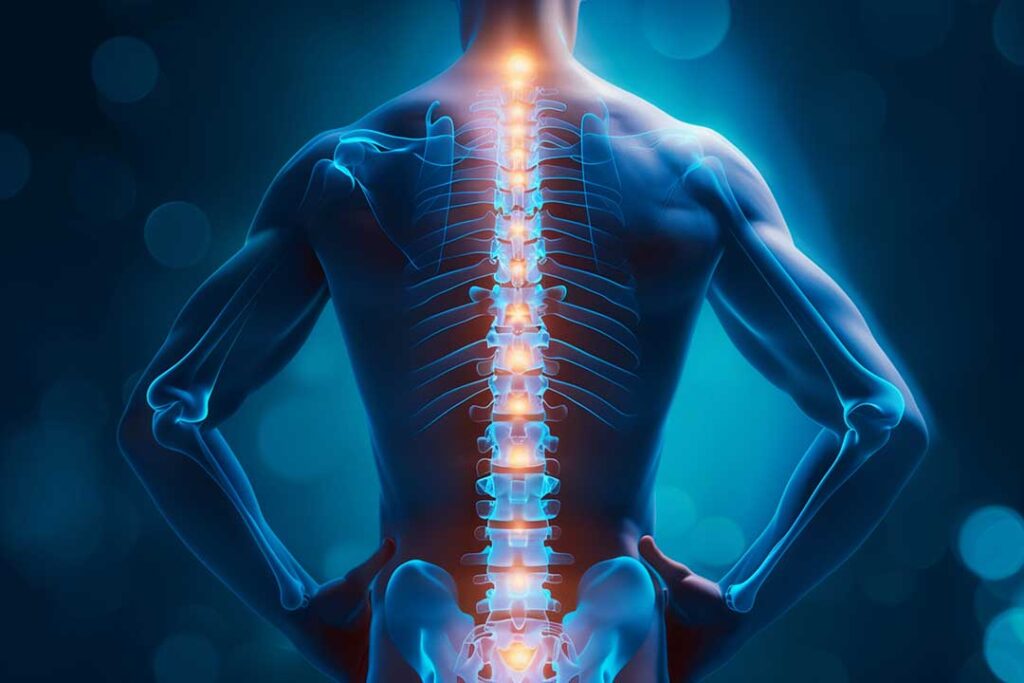
Is chiropractic care generally safe?
For many adults, chiropractic care is considered relatively low risk when performed by a properly trained and licensed practitioner, particularly when treatment is directed at common musculoskeletal problems such as low-back pain. Safety still depends on the technique used, the person’s health history, and whether the symptoms have been evaluated accurately. ([nccih.nih.gov](https://www.nccih.nih.gov/health/spinal-manipulation-what-you-need-to-know?utm_source=openai))
Chiropractic treatment may include spinal manipulation, mobilization, soft-tissue work, stretching, exercise guidance, or advice about movement. These approaches are not interchangeable. Spinal manipulation uses a controlled thrust, while mobilization generally moves a joint within its normal range without a thrust. ([nccih.nih.gov](https://www.nccih.nih.gov/health/spinal-manipulation-what-you-need-to-know?utm_source=openai))
For local residents dealing with back strain after shoveling, yard work, commuting, lifting, or long periods of sitting, the central safety question is not simply whether chiropractic care is “safe.” It is whether the selected treatment fits the cause of the pain and the person’s overall health.
What side effects are normal after an adjustment?
Temporary soreness, stiffness, fatigue, headache, or a short-term increase in discomfort can occur after spinal manipulation. These effects are usually mild and tend to resolve within about 24 hours, although individual experiences vary. ([nccih.nih.gov](https://www.nccih.nih.gov/health/spinal-manipulation-what-you-need-to-know?utm_source=openai))
A mild ache after treatment is not automatically a sign of injury. However, symptoms that are severe, worsening, or accompanied by new weakness or loss of coordination deserve prompt medical assessment.
It can help to ask beforehand:
- What technique will be used?
- Will the neck be manipulated or only mobilized?
- What symptoms should be expected afterward?
- What should be done if pain becomes worse?
- Are there lower-force alternatives?
A person should be able to decline a technique that feels uncomfortable or request an explanation before treatment begins.
Is neck manipulation more concerning than back treatment?
Neck manipulation deserves a more careful discussion because rare cases of cervical artery dissection have been reported after neck movement or manipulation. A dissection is a tear in the wall of an artery supplying the brain and can lead to stroke. Research has not established a simple cause-and-effect relationship in every reported case; neck pain or headache from an artery problem may lead someone to seek care before a stroke occurs. Even so, major medical sources recommend that patients be informed about the potential risk. ([nccih.nih.gov](https://www.nccih.nih.gov/health/spinal-manipulation-what-you-need-to-know?utm_source=openai))
The absolute risk appears to be very low, but “rare” does not mean impossible. A reasonable safety discussion should include whether neck manipulation is necessary, whether gentler methods could address the same problem, and whether the person has symptoms or conditions that make forceful neck movement inappropriate.
Seek emergency help for sudden facial drooping, trouble speaking, one-sided weakness, severe unusual headache, sudden loss of balance, fainting, or new vision problems. Neck pain accompanied by neurological symptoms should not be treated as an ordinary muscle strain.
Who should avoid or modify chiropractic manipulation?
Certain conditions may make spinal manipulation inappropriate or require substantial modification. Examples include severe osteoporosis, spinal cancer, some forms of inflammatory disease, significant nerve compression, unstable fractures, or known structural abnormalities. Mayo Clinic also advises caution when a person has numbness, tingling, or loss of strength in an arm or leg, or an increased risk of stroke. ([mayoclinic.org](https://www.mayoclinic.org/tests-procedures/chiropractic-adjustment/about/pac-20393513?utm_source=openai))
Before treatment, disclose:
- Recent falls, collisions, or other injuries
- Previous spinal surgery
- Osteoporosis or a history of fractures
- Cancer or infection
- Blood-clotting problems
- Use of blood-thinning medication
- Rheumatoid or other inflammatory conditions
- Numbness, weakness, or changes in bladder or bowel control
- Pregnancy or recent childbirth
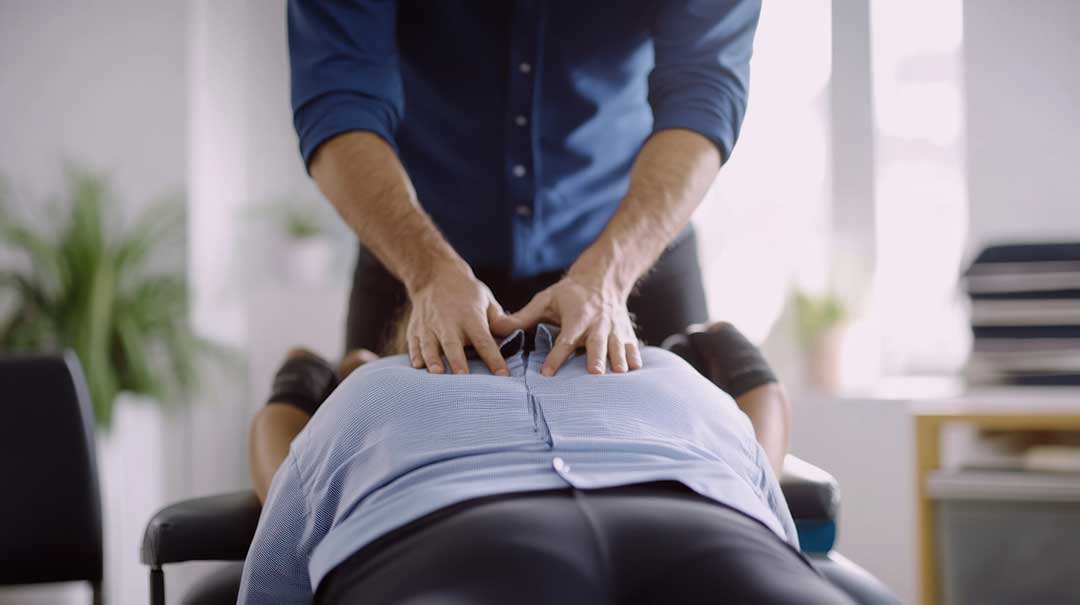
Pregnancy does not automatically rule out all manual care, but research on spinal manipulation during pregnancy is limited. Treatment should be adapted to the pregnancy stage and medical circumstances, with risks and benefits discussed with the relevant healthcare team. ([nccih.nih.gov](https://www.nccih.nih.gov/health/spinal-manipulation-what-you-need-to-know?utm_source=openai))
Can an adjustment worsen a disc problem or nerve pain?
It can. An adjustment may aggravate a herniated disc or place additional pressure on an already irritated nerve, although serious complications are uncommon. ([mayoclinic.org](https://www.mayoclinic.org/tests-procedures/chiropractic-adjustment/about/pac-20393513?utm_source=openai))
Pain traveling down an arm or leg, progressive weakness, numbness that is spreading, or difficulty walking should prompt a proper diagnostic evaluation rather than repeated treatment based only on the location of pain. Sciatica, for example, can have several causes, and manipulation is not appropriate for every presentation.
Back pain after winter slips, home repairs, moving furniture, or recreational activity may be a simple strain, but the circumstances of onset matter. Pain following a substantial fall or impact should be evaluated for fracture or other injury before forceful treatment is considered.
Does chiropractic care replace medical diagnosis?
No. Chiropractic care may be one option for selected musculoskeletal complaints, but it should not be used to assume that every headache, backache, or neck symptom comes from a joint being “out of alignment.”
Spinal manipulation has evidence for modest improvements in pain and function for some types of acute or chronic low-back pain. It is one of several nondrug options, alongside exercise and other forms of conservative care. Evidence for conditions outside the musculoskeletal system is limited, and research has not shown clear benefits for unrelated problems such as high blood pressure or menstrual symptoms. ([nccih.nih.gov](https://www.nccih.nih.gov/health/spinal-manipulation-what-you-need-to-know?utm_source=openai))
A careful evaluation should consider the symptom pattern, duration, injury history, neurological findings, medications, and relevant medical conditions. Imaging is not needed for every episode of back pain, but it may be appropriate when there are warning signs or a significant injury.
What questions help residents make a safer decision?
Before consenting to treatment, ask for clear information rather than relying on broad assurances. Useful questions include:
- What is the working explanation for the symptoms?
- What benefits are realistic, and over what timeframe?
- What are the risks of this specific technique?
- Are there non-thrust options?
- What findings would require referral for medical evaluation?
- How will progress be measured?
- What is the plan if symptoms do not improve?
A safety-focused approach also avoids unnecessary treatment. If symptoms are improving, continuing the same intervention indefinitely may not provide additional value. A person should understand why treatment is being recommended and what alternatives exist.
The most balanced view is that chiropractic care can be useful for some spine and joint conditions, while no manual treatment is risk-free. Good safety practice involves accurate assessment, informed consent, appropriate technique, honest discussion of uncertainty, and prompt attention to warning signs.
