

How Does Chiropractic Care Fit into Active Family Life?
Chiropractic care frequently supports families in Peekskill, NY who maintain active routines, whether through youth sports, outdoor recreation, commuting, or simply balancing school and work responsibilities. Regular movement is essential, yet it also exposes parents and children to occasional strain, minor injuries, or postural stress. Chiropractic practices are designed to help area residents maintain, restore, and protect musculoskeletal health in ways that complement local activity patterns.
What Practical Roles Can Chiropractic Play for Busy Families?
For families with children enrolled in sports leagues, parents who commute, or anyone navigating the area's seasonal weather changes, chiropractic care offers methods to address aches and maintain joint flexibility.
Some practical examples include:
- Supporting recovery from sprains or strains sustained during athletic or recreational activities
- Helping manage the repetitive stresses of carrying backpacks, lifting groceries, or gardening
- Advising on posture and ergonomics for working from home, using mobile devices, or studying
While chiropractic care is not a replacement for primary care or emergency medicine, it can be a useful adjunct for maintaining comfort, reducing recurrence of minor issues, and improving mobility so families can participate fully in their chosen activities.
Which Common Questions Do Active Families Have?
Can Chiropractic Care Help Prevent Injuries?
Yes, to a degree. Regular musculoskeletal assessments may help identify movement restrictions or muscular imbalances that could contribute to overuse injuries or strains. In particular, for children and teenagers participating in area sports, guidance on safe stretching routines, warm-ups, or posture can help create safer activity environments.
How Is Treatment Tailored for Children, Teens, or Older Adults?
Chiropractic methods are typically adjusted for a person's age, size, and developmental stage. For example:
- Very gentle, low-force techniques are used for younger children
- Adjustments for adolescents may address posture challenges related to screen time or athletic participation
- For parents and older adults, treatment might focus on chronic tension, joint stiffness, or recovery from daily repetitive demands
Practitioners often work holistically, suggesting home-based stretches or strengthening exercises and providing feedback specific to an individual's patterns.
Is It Safe for Children to Receive Chiropractic Care?
Research indicates that, when performed by trained professionals, age-appropriate chiropractic care is generally safe for children and adolescents with common musculoskeletal issues. In practice, practitioners in the community are accustomed to working with local families and will always adapt their approach based on medical history and parental input.
How Do Local Conditions Shape Chiropractic Needs in Peekskill?
The city’s seasonal climate can mean families spend part of the year hiking, biking, or playing outside, and other times indoors dealing with slippery sidewalks or shoveling snow. These changing activity patterns influence the types of concerns families may bring to a chiropractor:
- Outdoor injuries, such as ankle sprains or shoulder strains, tend to be more common in spring and fall
- Winter may bring in adults and children with lower back discomfort from shoveling snow or falls on icy paths
- Area homes and apartments may have a variety of seating setups, which can impact posture and create the need for ergonomic advice
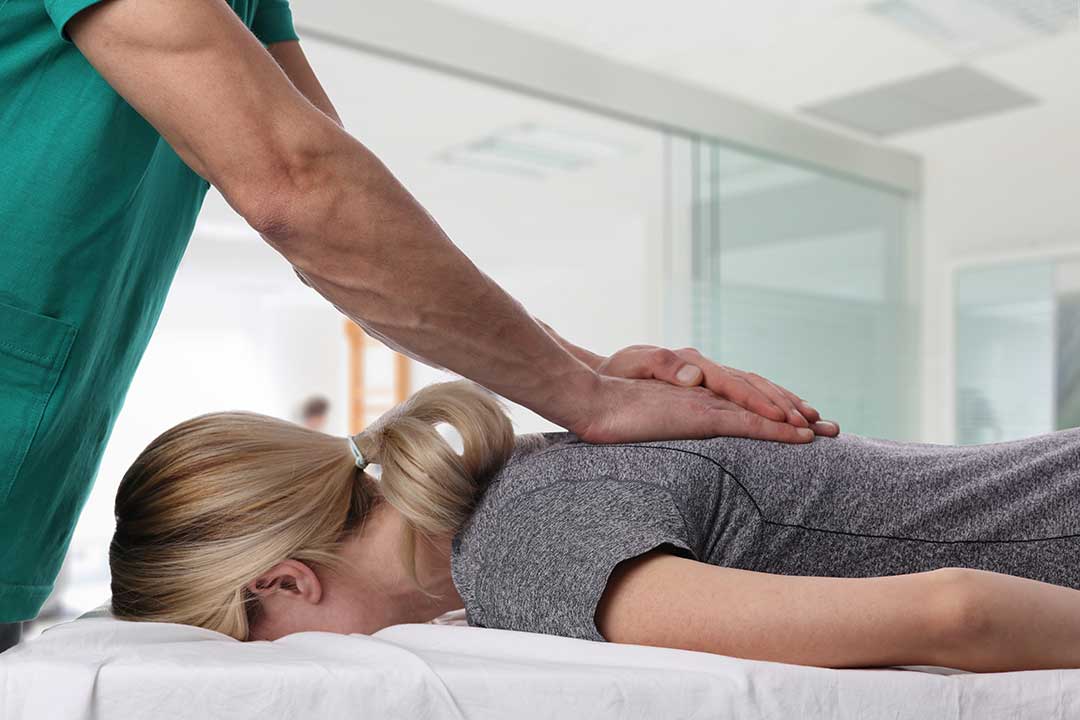
By staying tuned into these local rhythms and addressing problems early, residents can help reduce the risk of minor issues turning into persistent discomfort.
What Are Common Misconceptions About Chiropractic and Family Wellness?
Many assume chiropractic is only for adults with back pain or major sports injuries. In reality, it’s often used for prevention, maintenance, and education by families throughout Peekskill. Another misconception is that care requires frequent or indefinite appointments; most practitioners prefer to teach families how to care for their bodies between visits and reserve ongoing care for those who truly need extra support.
How Can Families Incorporate Spinal Health into Daily Routines?
Families often benefit from small habits that support spinal and joint well-being alongside, or in place of, office visits. Some locally practical steps:
- Ensuring kids’ backpacks are not overloaded and are worn correctly
- Alternating which shoulder carries bags or sports equipment
- Using sturdy footwear for seasonal weather and outdoor play
- Taking regular breaks from screens and encouraging daily stretching—especially during extended periods indoors
- Setting up homework and work-from-home stations with supportive chairs and good lighting
In addition, families in the community might take advantage of nearby parks or recreation trails for regular, moderate movement, which supports joint function and reduces the risks associated with sedentary habits.
What Should Residents Know Before Selecting a Care Approach?
For most active families, chiropractic care is just one part of a broader approach to health and safety. Basic first aid, open communication about pain, proper gear for sports, and attention to daily movement habits are equally important. While chiropractic adjustment can’t cure every issue, it may offer relief and guidance for many everyday musculoskeletal complaints faced by area households.
