
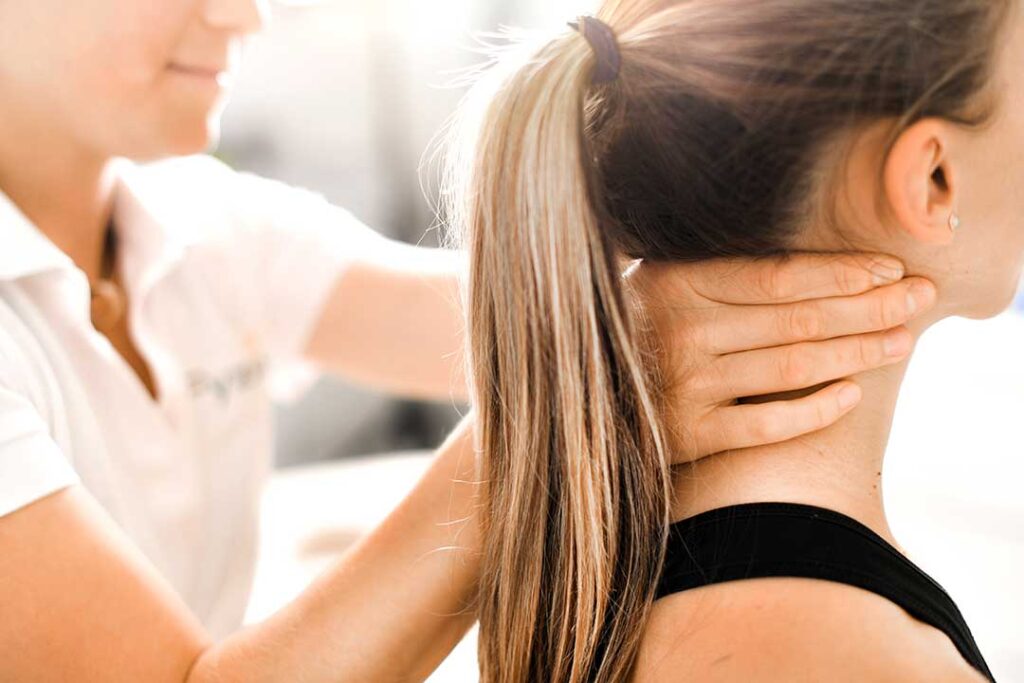
What Are Minor Back Strains and Why Do They Happen?
Minor back strains refer to small tears or overstretching in muscles or tendons supporting the lower or upper spine. In Peekskill, NY, local residents may experience these strains from yard work, shoveling snow, moving household items, or sudden twisting motions. The area’s seasonal changes, such as icy sidewalks in winter or gardening projects in spring, can add to the likelihood of these minor injuries.
A typical minor strain causes localized pain, stiffness, and muscle spasms but doesn’t result in radiating leg pain or loss of movement. Most strains improve within days to a week with careful home care.
How Should Residents Rest and Move After a Minor Back Strain?
Limited movement is helpful initially, but total bed rest is rarely recommended. For the first day, it’s wise to avoid heavy lifting and keep strenuous movements to a minimum. Still, gentle walking around the house—such as to the kitchen or mailbox—can keep muscles flexible and aid recovery.
After 24–48 hours, slowly resume light daily activities to prevent stiffness from becoming worse. Listen to your body; discomfort that increases with activity may be a sign to slow down.
Are Ice or Heat Packs More Effective for Sore Muscles?
Cold packs are generally most useful within the initial 24–48 hours following overexertion or an awkward movement. Ice helps reduce swelling by numbing tissue and constricting blood vessels. A bag of frozen vegetables wrapped in a thin towel can work well if a traditional ice pack isn’t handy.
Heat therapy, such as a warm towel or heating pad set on low, can be introduced after the first few days to relax surrounding muscles and encourage blood flow. Never apply ice or heat directly on bare skin—always use a cloth barrier to prevent injury. For area households without heating pads, a microwaved damp washcloth provides a simple alternative.
For both treatments:
- Use in 15–20 minute intervals
- Remove for at least 40 minutes between sessions
- Discontinue if extreme discomfort or skin changes appear
Which Over-the-Counter Steps Support Recovery?
Residents often ask about the role of pharmacy items in managing mild back strains. Non-prescription pain relievers such as acetaminophen or ibuprofen may help reduce pain and swelling, especially for the first few days. Always follow package directions and be mindful of potential allergies or existing health conditions.
Topical creams containing menthol or capsaicin provide a warming or cooling effect and some people find them soothing. These are most beneficial for mild strains without broken skin.
What Gentle Stretches and Movements Are Safe at Home?
Moving too aggressively can easily make symptoms worse, but gentle stretches are generally safe after acute pain subsides:
- Slow knee-to-chest movements: Lying on your back, gently pull one knee toward your chest and hold for a few seconds, then switch.
- Pelvic tilts: While lying on your back with knees bent, tighten abdominal muscles and press your lower back to the floor, then relax.
- Short walks inside or along smooth sidewalks
Avoid toe-touching or twisting stretches, which may strain healing tissue. If a movement causes sharp pain, it’s best to stop and gently return to a comfortable position.
What Common Pitfalls Should Be Avoided?
A few frequent missteps can prolong recovery or make discomfort worse. These include:
- Returning to heavy labor or sports before pain eases fully
- Using heat too soon (may increase swelling in the first 1–2 days)
- Ignoring ongoing pain or new symptoms, such as numbness or leg weakness
- Relying exclusively on bed rest
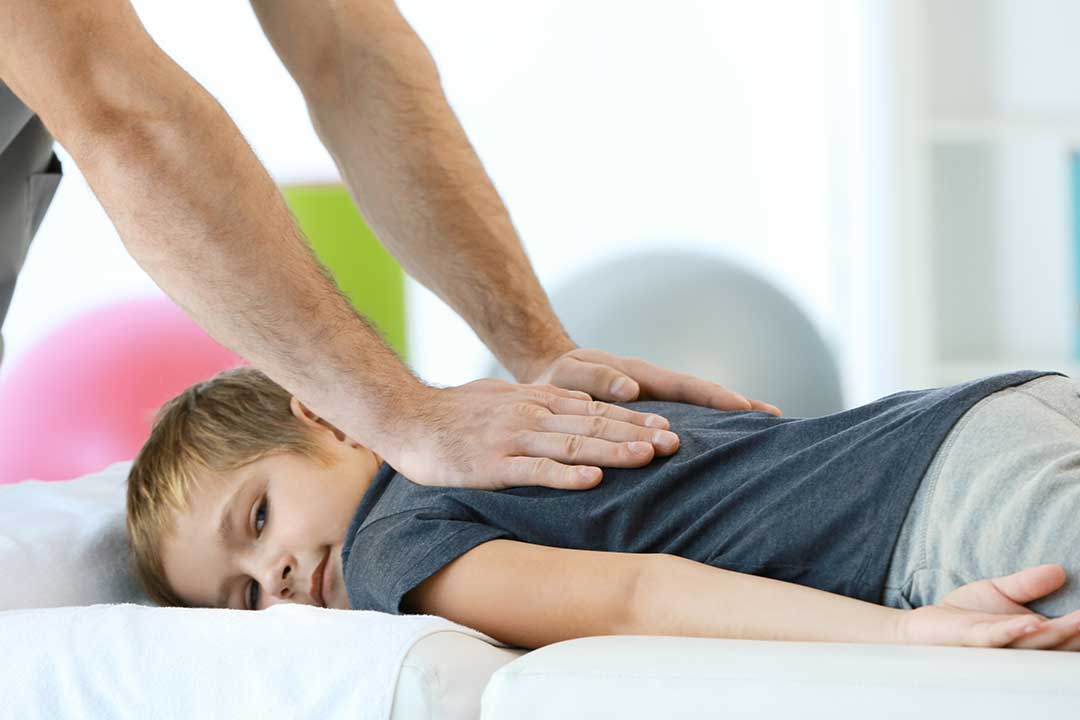
In the city, tackling big home projects or outdoor chores too soon after injury is a common reason strains take longer to heal.
When Should a Minor Strain Be Reconsidered?
While most muscle strains resolve without intervention, seek medical evaluation if:
- Pain is severe or lasts more than a week
- Tingling, numbness, or weakness develops in the legs
- Loss of bladder or bowel control occurs
- There was a significant fall, blow, or visible deformity
Area clinics and urgent care centers are equipped to assess these symptoms.
What Everyday Home Adaptations Prevent Recurrence?
Making the home safer and being mindful of posture protects against repeat strains:
- Use assistive tools for lifting (like a hand truck for heavy boxes)
- Store frequently used tools and supplies at waist height to avoid overreaching
- Invest in a supportive chair for long periods of sitting, especially in home offices
- Practice safe shoveling or yard work with regular breaks during seasonal chores
These habits, combined with daily stretching, help keep local residents mobile and comfortable throughout the year.
