
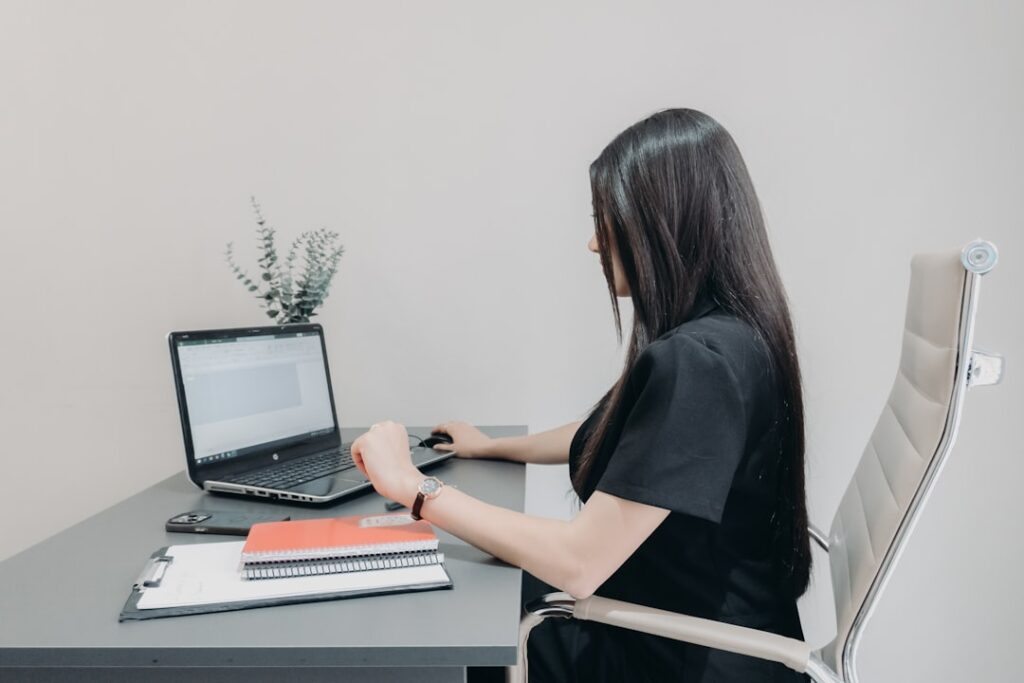
As more Peekskill residents shift to remote work or settle into office careers, hours spent at a desk are higher than ever before. While these jobs offer convenience and flexibility, they also introduce unique health challenges that often go unrecognized until pain becomes hard to ignore. If you’ve ever ended a workday with stiffness in your neck, back, or wrists, you’ve likely experienced the early warning signs of desk job injuries. In this guide, we’ll help you identify these issues, share tips on prevention, and explain how you can embrace healthier habits tailored to the Peekskill lifestyle.
What Are Desk Job Injuries?
Desk job injuries, often called repetitive strain injuries (RSIs), are a group of musculoskeletal disorders resulting from prolonged periods of sitting, poor posture, and repetitive motions like typing or mouse use. These injuries can manifest gradually, but over time they may cause chronic pain that disrupts both work and daily living.
Common desk job injuries include:
- Carpal tunnel syndrome
- Lower back pain
- Neck and shoulder strain
- Tendinitis (usually in wrists or elbows)
- Eyestrain and headaches
Why Peekskill Workers Are at Risk
Peekskill’s scenic charm and proximity to New York City make it a desirable location to live and work. Many residents balance commutes with work-from-home days, increasing their screen time and sitting hours. The city’s historic buildings have been transformed into cozy home offices—and sometimes, less-than-ideal spaces for ergonomics.
Additionally, Peekskill’s active community enjoys hiking at Blue Mountain Reservation or strolling along the Hudson River Walk—activities often paused by aches that start at the desk. That’s why recognizing these injuries early is essential for maintaining the balance between work and the outdoorsy lifestyle Peekskill offers.
Recognizing Desk Job Injuries
Ask yourself:
- Do I experience stiffness or soreness after a work session?
- Is there tingling, numbness, or weakness in my hands or forearms?
- Are headaches more frequent after prolonged computer use?
- Do I notice slouching or rounded shoulders at my desk?
- Is it difficult to fully enjoy local activities because of back or neck pain?
If you answer yes to one or more, you may be dealing with a desk-related injury. Even mild discomfort can progress if not addressed early.
Prevention: Ergonomics and Healthy Habits
Peekskill residents are well-known for their appreciation of health and wellness—using this mindset at your desk can make a significant difference.
Set Up Your Desk for Success
- Monitor Height: The top of your monitor should be at or slightly below eye level—using books or a stand can help, especially in home offices.
- Chair Support: Your chair should support the natural curve of your spine. Consider an adjustable office chair or lumbar pillow.
- Feet Flat: Both feet should be flat on the floor (or use a footrest) to minimize lower back pressure.
- Keyboard and Mouse: Position them so your wrists are straight and your arms stay close to your body.
Build Movement Into Your Day
Peekskill’s walkable downtown and accessible parks are perfect for mini-breaks:
- Follow the 20/20/20 Rule: Look away from your screen every 20 minutes at something 20 feet away for 20 seconds.
- Timed Movement Breaks: Set reminders to stand up, stretch, or take a short walk every 30-60 minutes.
- Desk Stretches: Simple neck rotations, shoulder rolls, and reaching for the sky can relieve tension.

Mind Your Posture
Occasional self-checks throughout the day can counteract bad habits:
- Sit upright, shoulders relaxed but not slouched.
- Keep your head back over your shoulders, not jutting forward.
- Switch positions or alternate between sitting and standing, if possible.
Addressing Established Injuries
Despite best efforts, some desk job injuries may require more specialized attention. Here’s what you can do next:
- Consult a Professional: Chiropractors in Peekskill are skilled at diagnosing postural and musculoskeletal disorders. Early intervention can prevent progression and speed up recovery.
- Physical Therapy: Guided exercises focus on strengthening weakened muscles and restoring normal movement.
- Massage Therapy: Reduces muscle tension and improves circulation—something local spas and wellness centers often offer.
- Chiropractic Adjustments: Realign the spine and correct posture imbalances that repetitive desk work can cause.
Making the Most of Peekskill’s Resources
Living in Peekskill means you’re close to nature—and you should use that to your advantage. Make time for local activities that break the sedentary cycle:
- Walk or bike the Peekskill Riverfront Greenway after work.
- Join a wellness event at Depew Park or a local yoga studio.
- Take your laptop to a standing-friendly coffee shop to change up your work environment.
By alternating between sedentary work and active local experiences, you give your body—and mind—a balanced, health-promoting routine.
Final Thoughts
Desk job injuries are common but not inevitable for Peekskill’s workforce. By creating an ergonomic workspace, making movement a priority, and seeking help when needed, you can enjoy all the professional and personal benefits that our city has to offer—without discomfort holding you back.
If you’re unsure about your symptoms or want help creating a healthier work environment, consulting a Peekskill musculoskeletal health professional is a smart first step. Prevention and early action are key to staying pain-free and active—whether you’re at your desk or out exploring the best of Peekskill.
