

Mobility is the ability to move comfortably and confidently through daily activities such as walking, reaching, turning, climbing stairs, and getting up from a chair. For residents of Peekskill, NY, natural mobility strategies can support joint function, reduce stiffness, and make ordinary movement feel easier without relying on aggressive or unnecessary interventions.
Mobility concerns may develop gradually. A person might notice difficulty bending to tie shoes, turning the head while driving, carrying groceries, or walking on uneven ground. These changes can result from prolonged sitting, muscle weakness, joint irritation, previous injuries, poor sleep, stress, or reduced activity during colder months.
What natural approaches can improve mobility?
The most useful natural strategies combine regular movement, strength, balance training, recovery, and attention to daily habits. No single stretch or exercise works for every person, but consistent low-impact activity often improves how the body handles ordinary demands.
Helpful foundations include:
- Short walks spread throughout the day
- Gentle mobility exercises for the spine, hips, shoulders, and ankles
- Strength training using body weight, resistance bands, or light weights
- Balance exercises performed near a stable surface
- Adequate sleep and regular hydration
- Adjustments to sitting, standing, lifting, and screen-use habits
Movement should feel manageable rather than punishing. Mild muscle effort or a gentle stretch can be expected, but sharp, electric, or worsening pain is a signal to stop and reassess.
How can walking support joint and spinal mobility?
Walking is one of the simplest ways to maintain movement because it uses the ankles, knees, hips, pelvis, and spine in a coordinated pattern. It also supports circulation and can reduce the stiffness that follows long periods of sitting.
A practical starting point is a five- to ten-minute walk at a comfortable pace, repeated once or several times during the day. Gradually increasing duration is usually more sustainable than attempting a long walk immediately.
Seasonal conditions can affect walking habits in the Hudson Valley. Cold temperatures may make muscles feel tighter, while snow, ice, wet leaves, or uneven sidewalks can increase fall risk. During difficult weather, indoor walking, gentle marching in place, or mobility exercises near a sturdy countertop can help maintain consistency.
Supportive footwear and attention to the walking surface also matter. A person with new balance problems should avoid exercising on slippery ground or in poorly lit areas.
Which mobility exercises are useful at home?
A short routine can address common areas of stiffness without requiring specialized equipment. Movements should be slow and controlled, with comfortable breathing.
Examples include:
- Seated ankle pumps: Move the feet up and down to encourage ankle motion, especially after sitting.
- Chair-supported sit-to-stands: Rise from a firm chair and sit back down with control. This strengthens the legs and helps with everyday transfers.
- Wall-supported calf stretches: Place both hands on a wall, step one foot back, and gently press the rear heel toward the floor.
- Shoulder blade movements: While standing or sitting tall, gently draw the shoulder blades down and together without shrugging.
- Pelvic tilts: Lying on the back with knees bent, gently flatten and release the lower back against the floor.
- Supported balance practice: Stand near a counter and briefly shift weight from one foot to the other.
A routine does not need to be long to be useful. Five minutes performed consistently may be more beneficial than a demanding session done only occasionally.
Does stretching improve mobility?
Stretching can improve comfort and temporarily increase range of motion, especially when muscles have been inactive. It is most effective when combined with strength and active movement.
A stretch should create mild tension, not pain. Holding a comfortable position for about 15 to 30 seconds may be reasonable for many adults, although people with injuries, significant joint disease, or neurological symptoms may need individualized guidance.
Dynamic movement is often useful before activity. Examples include slow arm circles, gentle marching, or repeated heel raises. Longer static stretches may feel better after activity or during a separate mobility session.
The common belief that every stiff area simply needs more stretching is not always accurate. Weakness, joint irritation, poor movement coordination, or nerve involvement can also limit motion. For that reason, stretching should not be forced when it repeatedly increases symptoms.
How do strength and balance affect mobility?
Strength gives the body the control needed to use its available range of motion. Stronger hips and legs can make stairs, walking, and getting up from a chair easier. Upper-body strength can help with reaching, carrying, and maintaining posture.
Balance training is also relevant, particularly for older adults or anyone who has experienced a fall. Safe options include standing with feet close together, shifting weight side to side, or practicing heel-to-toe steps beside a counter. A stable support should remain within reach, and balance exercises should not be performed on a wet or cluttered floor.
Progress can be gradual. Adding a few repetitions, extending walking time, or using a slightly more challenging position may be enough. Soreness that resolves within a day can occur after new exercise, but persistent or escalating pain deserves attention.
Can daily habits contribute to stiffness?
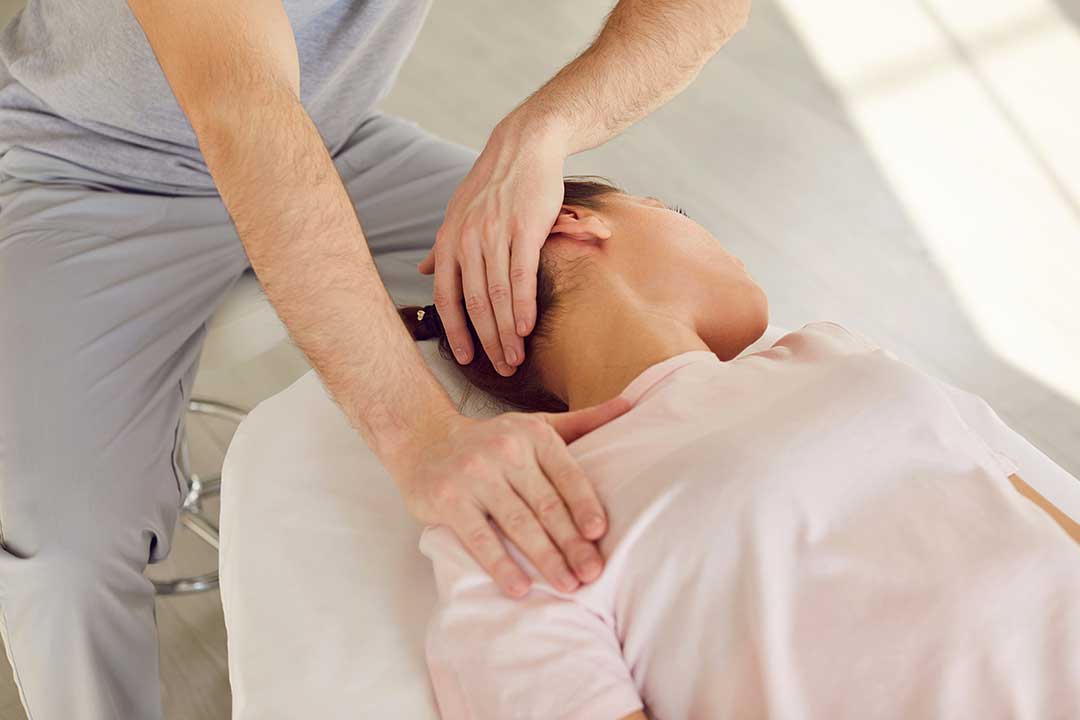
Yes. Mobility is influenced by what happens between exercise sessions. Long periods of sitting can cause temporary stiffness in the hips, back, and ankles. Working at a computer, using a phone, or watching television in one position may also encourage rounded shoulders and a forward head posture.
Useful habits include:
- Changing position every 30 to 60 minutes
- Taking brief walking or stretching breaks
- Keeping frequently used items within a comfortable reach
- Carrying loads close to the body
- Bending through the hips and knees rather than rounding the back during lifts
- Using handrails on stairs when conditions are slippery
- Adjusting chair height so the feet can rest securely on the floor
Home design can affect mobility as well. Loose rugs, narrow pathways, poor lighting, and clutter near stairs may create avoidable hazards, especially during winter when wet shoes and bulky clothing are common.
When should mobility problems be medically evaluated?
Natural movement strategies are not appropriate as the only response to every symptom. Prompt medical evaluation is warranted for sudden weakness, loss of coordination, numbness that is spreading, loss of bladder or bowel control, severe unexplained pain, a major injury, fever with joint swelling, or difficulty walking that develops rapidly.
A persistent limitation should also be evaluated when it does not improve with reasonable activity changes or when pain repeatedly interrupts sleep. A qualified clinician can help determine whether the problem involves a joint, muscle, tendon, nerve, balance system, or another health condition.
Chiropractic education often emphasizes the relationship between movement habits, spinal function, joint mechanics, and physical activity. That perspective can be useful, but mobility concerns may also require input from primary care, physical therapy, orthopedics, or other healthcare disciplines depending on the symptoms.
How can residents build a realistic mobility routine?
A practical routine begins with the movements that matter most in daily life. Someone who struggles with stairs may prioritize leg strength and balance. Someone who feels stiff after desk work may focus on frequent position changes, walking breaks, and gentle hip and shoulder movement.
A simple weekly pattern might include:
- Brief mobility exercises most days
- Walking or another low-impact aerobic activity several times per week
- Strength exercises two or more times per week, adjusted to ability
- Balance practice on safe, stable surfaces
- Extra attention to footing during snow, ice, rain, or fallen leaves
The goal is not to force the body into extreme flexibility. It is to preserve comfortable movement, improve control, and keep daily activities as safe and independent as possible.
