
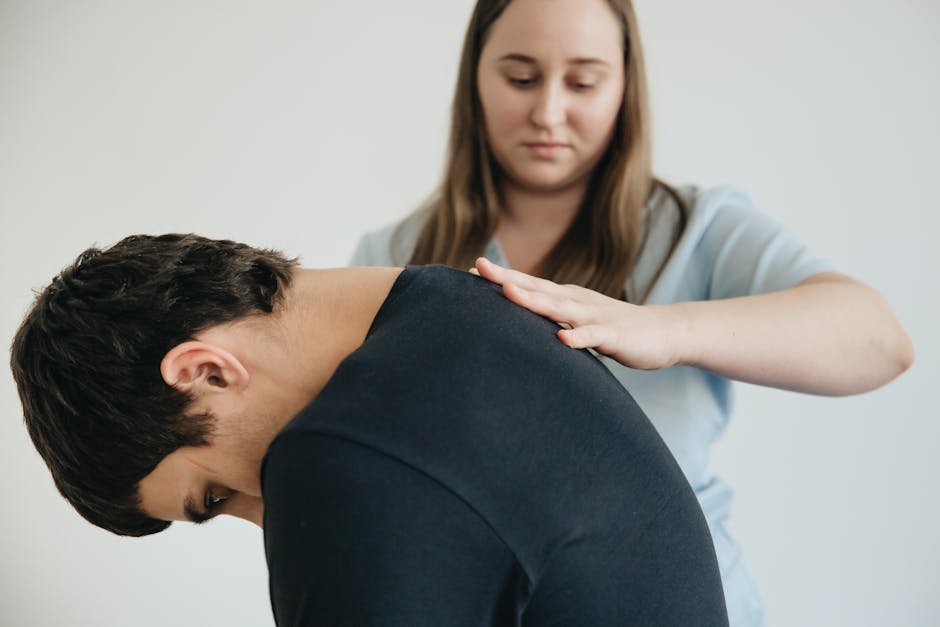
Commuting is a part of daily life for many residents of Peekskill, New York. With a bustling Metro-North station, plenty of car traffic along Route 9, and scenic bus rides by the Hudson River, locals spend a surprising amount of time traveling to and from work. Unfortunately, regular commutes often add up to aches, stiffness, and, in some cases, chronic back or neck pain. If you’re one of the countless Peekskill commuters searching for ways to stay pain-free on your journey, these expert chiropractic tips can help you arrive at your destination feeling your best.
Why Commutes Cause Pain
For many, a commute involves repetitive motion and long periods of sitting—whether you’re driving down Crompond Road or taking the train south toward Manhattan. Both scenarios can strain your spine and muscles. Poor posture, awkward seat positioning, and even road stress can compound, eventually leading to discomfort and lasting pain issues.
Set Up for Success: Preparing Before You Leave
Preparation is key for a healthy commute. By addressing potential problems before you hit the road or hop on the train, you greatly reduce the risk of pain.
- Pack Smart: Use a lightweight, ergonomic bag or backpack. Heavy, unbalanced loads—like overloaded purses or messenger bags—can pull your body out of alignment, especially if you’re walking to the Peekskill train station or local bus stops.
- Dress Comfortably: Comfortable, supportive footwear and weather-appropriate clothing can help you maintain good posture and avoid unnecessary tension, a must for walking the city’s hilly streets or standing on cold platforms.
- Stretch It Out: Five minutes of light stretching before you leave improves your range of motion and helps reduce muscle tightness. Focus on the neck, shoulders, and hips—areas often affected during commutes.
Best Practices Behind the Wheel
Car commutes are common for many living in Peekskill, whether heading south to White Plains or managing a local drive to downtown shops. But sitting for extended periods can easily lead to lower back pain.
- Adjust Your Seat: Your seat should support your lower back and allow your knees to rest at a 90-degree angle. Keep your hips level or slightly higher than your knees.
- Use Lumbar Support: If your car lacks effective lumbar support, try a small pillow or a lumbar roll to support the natural curve of your spine.
- Hands at 9 and 3: Keep your hands on the steering wheel at the 9 o’clock and 3 o’clock positions to maintain good spinal alignment.
- Take Regular Breaks: If you’re traveling long distances—perhaps on your way out of town—stop every 45-60 minutes to stretch, walk around, and reset your posture.
Keeping Comfortable on Public Transit
Peekskill’s Metro-North trains and Bee-Line buses are convenient options for commuters heading toward New York City, Yonkers, or just getting around town. But train and bus seats aren’t always ergonomic.
- Sit Back, Don’t Slouch: Sit with your back fully against the seat and feet flat on the floor. Avoid slouching or perching on the edge.
- Change Positions: If it’s a long ride, frequently shift your position to avoid muscle fatigue.
- Engage Your Core: Gently tighten your abdominal muscles from time to time to support your spine—think of pulling your belly button toward your spine.
- Avoid Digital Strain: Using your phone or laptop? Hold it at eye level rather than looking down in your lap to prevent “tech neck.”
Desk Setups for Remote and Hybrid Workers
Many Peekskill professionals have flexible schedules, splitting time between office and remote work. If part of your commute is from your bedroom to your home office, it still pays to mind your posture.
- Ergonomic Chair: Sit in a chair that supports your lower back. Adjust seat height so you can place feet flat on the floor.
- Screen at Eye Level: Your monitor or laptop should be at eye level when sitting upright. Use risers, books, or stands as needed.
- Movement Breaks: Remember the saying: “Motion is lotion.” Get up every 30-45 minutes to stretch or walk, even if it’s just to the kitchen or balcony with a Peekskill River view.
Stress Less for a Pain-Free Commute
Commutes in and out of Peekskill can be stressful, especially in rush hour or inclement weather along the Hudson. High stress levels tighten muscles unconsciously—especially in the shoulders, neck, and back.
- Practice Deep Breathing: Slow, steady breaths can relax tense muscles.
- Listen to Relaxing Audio: Play calming music or podcasts to keep your mind and body at ease.
- Allow Extra Time: Reducing the rush helps you maintain mindful, healthy habits instead of slipping into pain-provoking postures.
When to Seek Professional Help
If you regularly experience pain during or after your commute, don’t ignore it. Persistent back, neck, or joint pain may indicate a larger musculoskeletal issue. Seek help from a Peekskill-area chiropractor or healthcare provider for a thorough assessment, posture advice, and targeted therapies.
Enjoying the Commute: Make It Work for You
With the scenic Hudson River, vibrant downtown, and rolling hills, Peekskill offers a unique backdrop for daily travel. Try walking or biking—when weather allows—which can double as exercise and stress relief. Whenever possible, take advantage of your commute to stretch, listen to something you enjoy, and arrive energized for your day.
Quick Tips for a Pain-Free Peekskill Commute
- Start and end your day with gentle stretches.
- Pack light and use both shoulder straps.
- Adjust car and transit seating for good posture.
- Take movement breaks during long drives or rides.
- Address stress with relaxation strategies.
- Act quickly on persistent pain by consulting a professional.
Whether you ride, drive, walk or work from home, these tips can help you avoid the pain that often accompanies modern commutes. Stay proactive, and your daily journey through Peekskill and beyond can be a healthier, pain-free experience.
